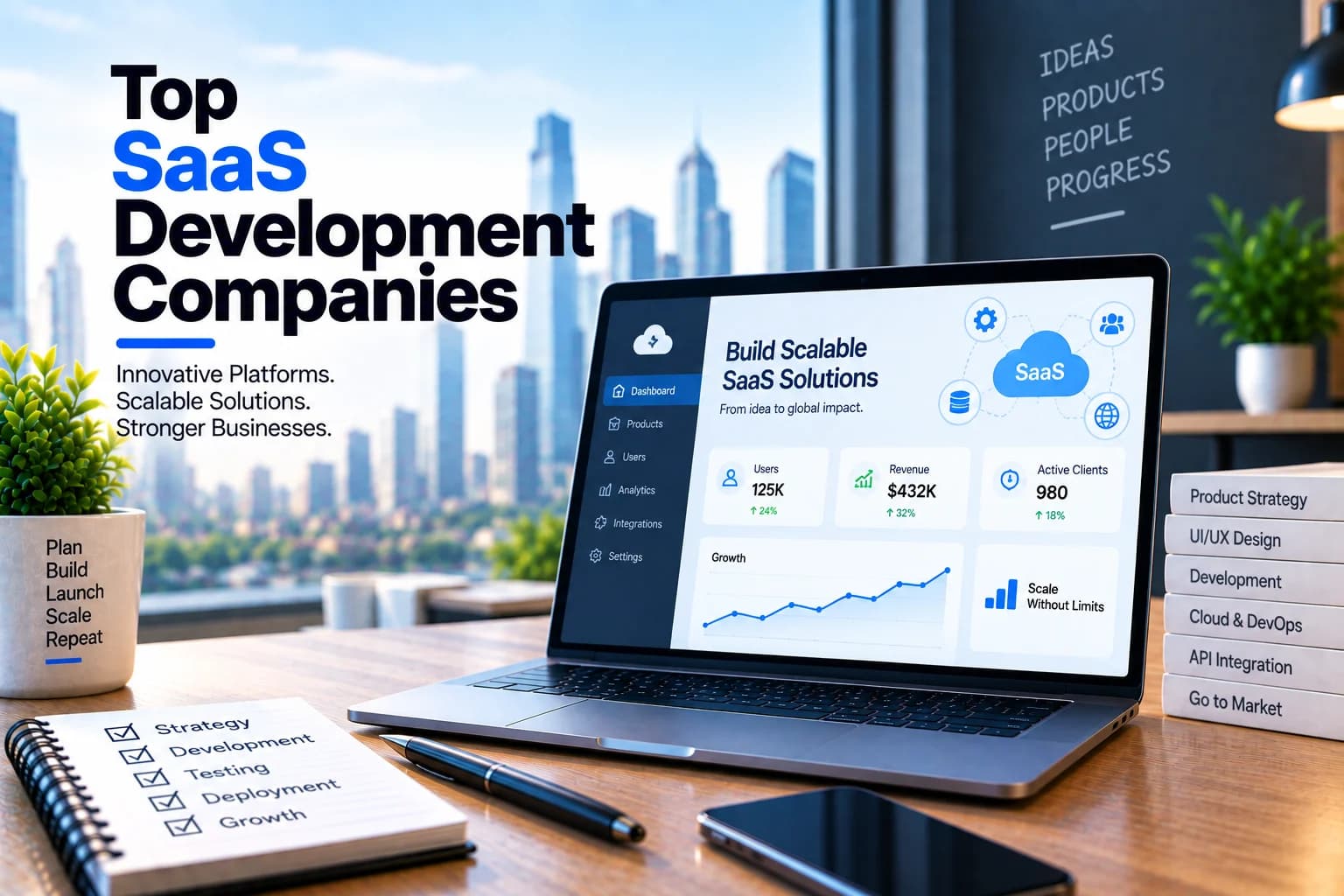
Building a SaaS product is not building an application with a login screen. Multi-tenancy, subscription billing, and enterprise readiness are distinct disciplines, and a competent general development company can get all three structurally wrong in ways that are expensive to unpick later. This page covers what to verify before appointing a SaaS partner, with specific questions whose answers reveal whether a team has actually operated a product rather than delivered one.
Multi-Tenancy Experience
Tenancy is the architectural decision that shapes everything afterwards and is close to impossible to change once you have customers. A partner’s answers here tell you quickly whether they have done this before.
Ask Which Tenancy Model They Recommend and Why
Shared database with tenant scoping, or database per tenant. The right answer depends on your customers’ security expectations, and a partner who defaults without asking has not thought about it.
Check They Enforce Isolation at the Data Layer
Tenant scoping in application logic alone is how cross-tenant data leaks happen. Enforcement must sit below the application, not inside it.
Ask How They Test Tenant Isolation
Deliberately attempting cross-tenant access by manipulating identifiers. Teams who test this have thought about the failure mode that matters most.
Confirm They Plan for Tenant-Level Operations
Onboarding, offboarding, data export, and per-tenant configuration. Our SaaS development work treats these as first-release requirements.
Billing and Entitlement Design
Billing looks like a payment integration and behaves like a domain of its own. Partners who have built it before will tell you not to build it.
Ask Whether They Recommend Building Billing
The correct answer for nearly all products is to use a specialist billing platform and build only entitlement enforcement. A partner proposing to build billing is inexperienced or over-scoping.
Check They Understand Entitlement Enforcement
Plan limits enforced in one place rather than through feature flags scattered across the codebase. This is where product-specific logic genuinely belongs.
Ask About Mid-Cycle Changes
Upgrades, downgrades, and proration. These generate disputes when handled poorly and are the part teams most often discover late.
Confirm Dunning Is in Scope
Failed payment retries, notifications, and grace periods recover meaningful revenue. Partners who omit this have not run a subscription product.
Enterprise Readiness From the Start
Your first serious prospect will ask questions your product needs to already answer. Partners who have been through enterprise procurement build for it rather than retrofitting under deal pressure.
Ask When They Build Single Sign-On
Enterprise buyers treat it as baseline rather than premium. Partners who schedule it for a later phase have not sold into enterprise before.
Check Audit Logging Is Planned
Activity history exposed to customer administrators, not just internal logs. This is a procurement requirement and it is cheap to build early.
Ask About Their Security Documentation Practice
Security overview, data handling description, and penetration test coordination. Our cloud consulting work covers the infrastructure evidence behind these.
Confirm Backup Restoration Is Tested
Not just configured. Partners who distinguish those two have operated production systems rather than only delivered them.
Operational Experience Over Delivery Experience
The most useful question is whether the partner has run a SaaS product rather than handed one over. The answers differ noticeably.
Ask What They Monitor in Production
Error rates, performance, and per-tenant usage. Partners who have operated products answer specifically and quickly.
Ask About Their Release Practice
Frequent small releases with a tested rollback path. Our DevOps services work treats the pipeline as a project deliverable rather than an afterthought.
Check They Instrument for Product Analytics
Activation, feature adoption, and churn signals per account. A product shipped without this cannot be improved with evidence.
Ask About Customer-Facing Reporting
Customers expect visibility into their own usage. Our dashboard development work covers the in-product reporting that supports renewal.
Insert your shortlist here. Recommended format per entry:
- Company name and location
- SaaS products delivered, distinguishing delivered from operated
- Tenancy models they have implemented
- Whether they have taken a product through enterprise security review
- Sectors where they have depth
Disclose any self-listing.
FAQs
How do I evaluate a SaaS development company?
Ask which tenancy model they recommend and why, whether they enforce isolation at the data layer, whether they would build billing or use a platform, when they build single sign-on, and what they monitor in production.
What tenancy model should my SaaS use?
Shared database with tenant scoping costs least to operate. Database per tenant gives stronger isolation at higher operational overhead. The right choice follows your customers’ security expectations, and a partner should ask about those before recommending.
Should a development partner build our billing system?
Almost never. Plans, proration, trials, dunning, tax, and invoicing form a complex domain with endless edge cases. A partner proposing to build it rather than integrate a specialist platform is inexperienced or over-scoping the work.
When should single sign-on be built?
Early. Enterprise buyers treat it as baseline rather than a premium feature, and it is frequently a procurement gate. Partners who schedule it for a later phase have not taken a product through enterprise sales.
What distinguishes a partner who has operated SaaS from one who has only delivered it?
Specific answers about production monitoring, release practice, tested backup restoration rather than configured backups, and per-tenant operational tooling. Delivery-only partners answer these vaguely or not at all.
What should be instrumented before a SaaS product launches?
Activation, feature adoption, and churn signals per account, plus error rates and performance. Retrofitting analytics means losing your earliest and most informative cohort of customers permanently.