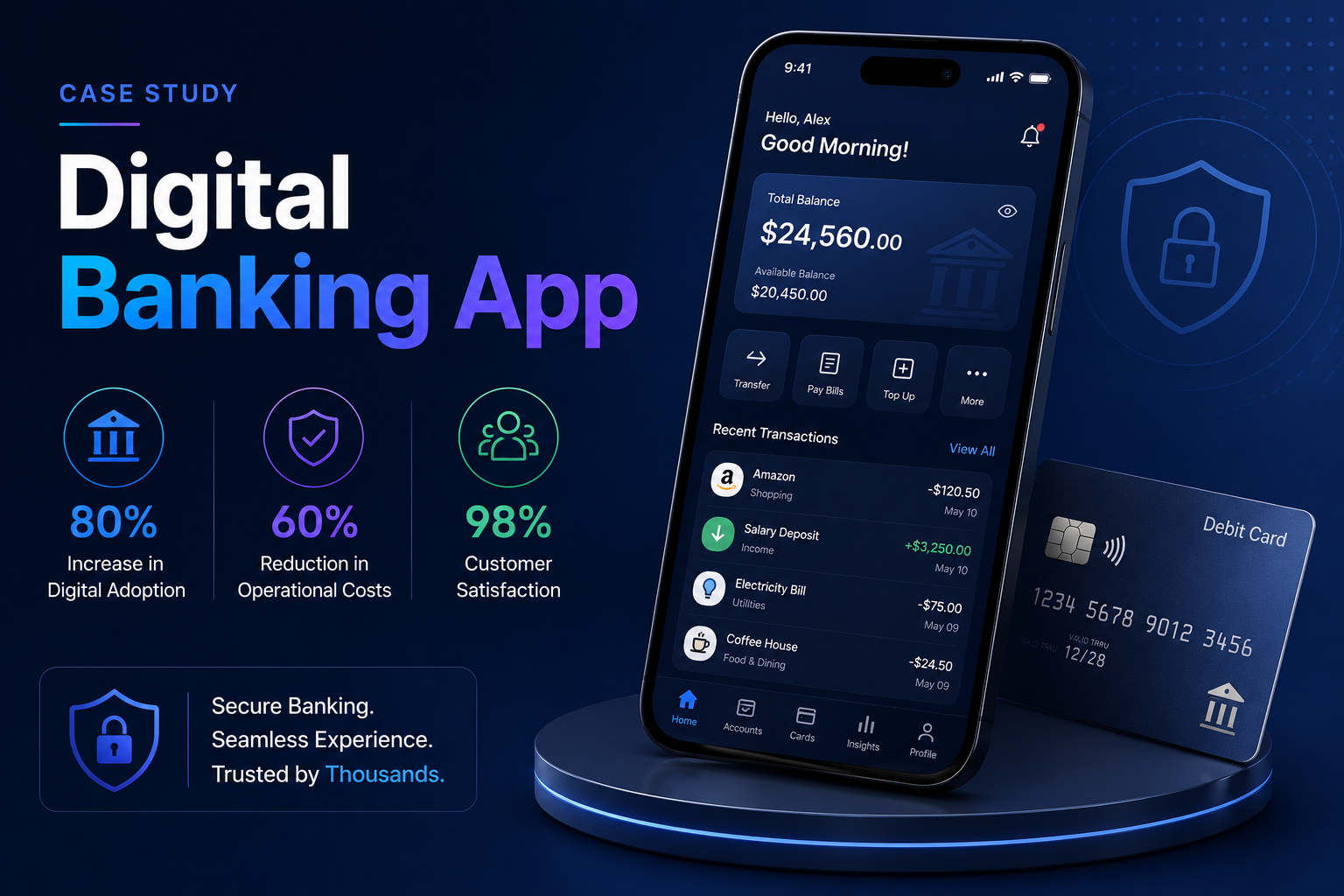
App security services bring systematic vulnerability assessment, encryption implementation, and secure architecture review to protect user data and keep your app compliant with industry regulations. Businesses building through mobile app development want more than a launch-day security checklist — they need ongoing security practices that catch vulnerabilities before attackers do, especially as apps handle increasingly sensitive user data. From penetration testing to secure API design and data encryption at rest and in transit, getting security right affects user trust, regulatory compliance, and how much liability exposure a breach could create. This guide covers what app security services involve and what to expect from the process.
give your app the systematic security review that ad hoc development practices alone don’t provide. The sections below cover why dedicated security attention matters.
Building genuinely secure apps requires more than following a generic checklist. It requires understanding your specific data sensitivity, threat model, and regulatory context. The services below cover what we typically provide as part of an app security services engagement.
We review your app’s architecture for security weaknesses, identifying issues in authentication, data handling, and API design before they become exploitable vulnerabilities.
We conduct penetration testing that actively probes your app for exploitable vulnerabilities, providing a realistic assessment of your app’s actual security posture.
We implement proper encryption for sensitive data both stored on the device and transmitted over the network, protecting information even if other defenses are compromised.
We review and harden API authentication and authorization logic, ensuring your backend properly validates every request rather than trusting client-side checks alone.
We implement code protection measures that make reverse engineering more difficult, protecting proprietary logic and reducing the risk of API abuse through decompiled apps.
We implement security practices aligned with relevant compliance frameworks for your industry, whether healthcare, financial services, or general data protection requirements.
Security engagements vary depending on your app’s data sensitivity and regulatory context, and the right approach for a fintech app differs from a general consumer app. Understanding these use cases helps clarify what your specific app security services engagement will actually involve.
Financial apps require particularly rigorous security given the direct financial risk and regulatory scrutiny involved, including secure transaction handling and fraud prevention measures. Our fintech and BFSI industry experience directly informs this specialized work.
Healthcare apps handling patient data need security practices aligned with healthcare compliance requirements, protecting sensitive personal health information appropriately. Our healthcare industry experience covers this compliance-aware approach.
Businesses preparing to launch a new app often commission a security audit specifically to catch vulnerabilities before they reach production and real users.
Businesses with apps already in production commission security reviews to identify and remediate vulnerabilities that may have been missed during initial development.
Conducting a thorough app security assessment follows a structured path from scoping through testing, remediation, and validation. Knowing what each phase involves helps set realistic expectations before the engagement begins.
This phase defines your app’s specific data sensitivity, likely attacker motivations, and any regulatory compliance requirements relevant to your industry.
Our security team conducts testing across your app’s architecture, APIs, and data handling, identifying specific vulnerabilities with clear severity assessment.
We work with your team to remediate identified vulnerabilities, implementing proper fixes rather than superficial patches that leave underlying issues unaddressed.
After remediation, we validate that fixes properly address identified issues, and can provide ongoing security review as your app continues to evolve.
Our work and story have been picked up by news outlets and databases worldwide.
As featured on
No, app store review focuses primarily on policy compliance and basic functionality, not deep security vulnerability assessment, so many insecure apps pass review without issue.
This depends on your app’s risk profile, but apps handling sensitive data typically benefit from periodic audits, especially after major feature additions or before significant funding or compliance milestones.
A security audit typically reviews architecture and code for weaknesses, while penetration testing actively attempts to exploit vulnerabilities, providing a more realistic assessment of actual exploitability.
Timeline depends on app complexity and scope, but a focused security audit typically takes a few weeks, while comprehensive assessments including penetration testing take longer.
Most security improvements can be implemented in an existing app without a complete rebuild, though some architectural issues may require more significant refactoring depending on severity.
We implement security practices that align with common compliance framework requirements, though formal certification processes typically involve additional steps beyond our development work, such as third-party audits.
Tell us what you’re building. Our team will get back to you within one business day with a clear, no-obligation plan.