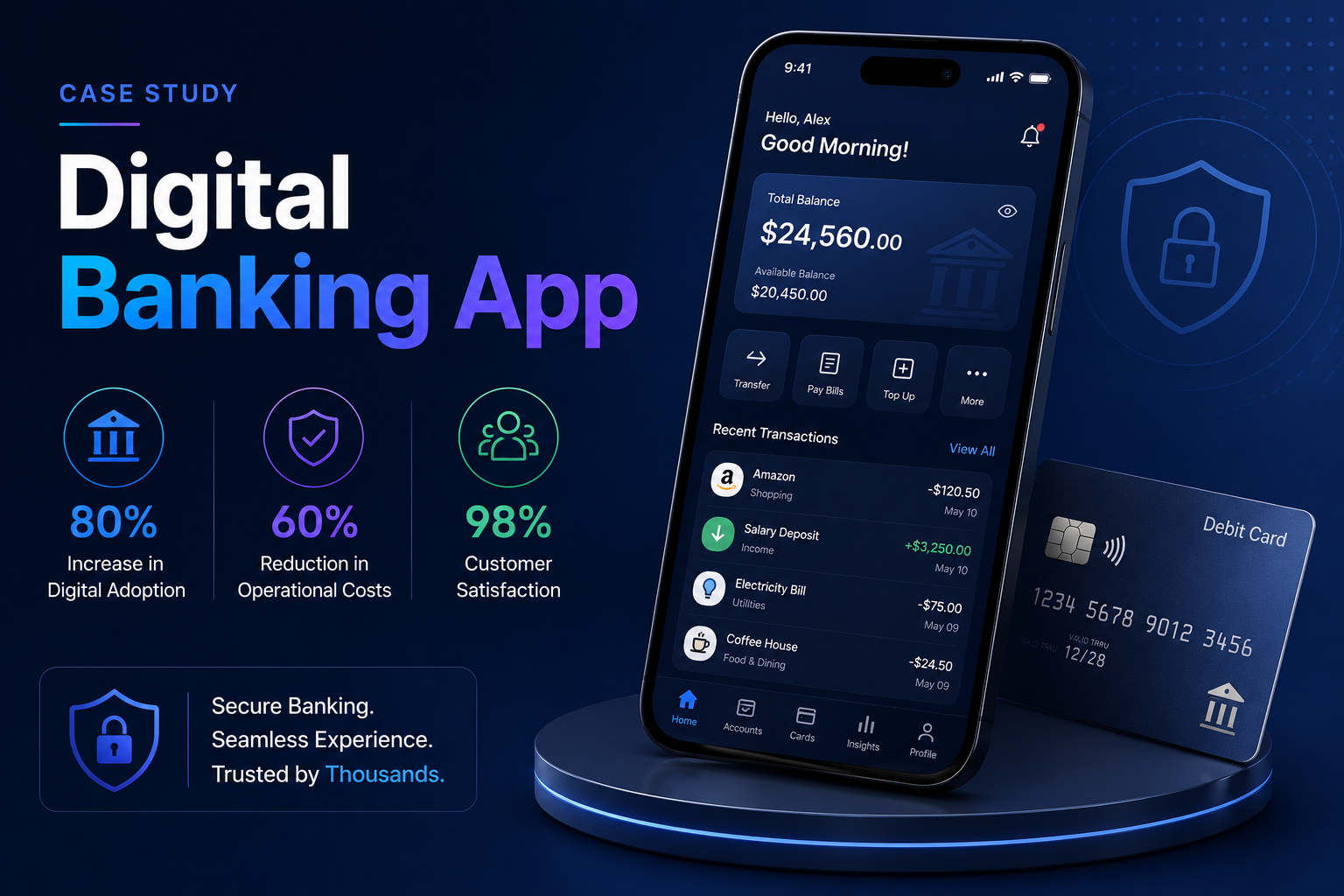
Fintech software development carries a different weight than most other categories of custom software, since every feature touching money movement, account data, or financial decisions needs to be built with security, regulatory compliance, and auditability as core requirements from day one, not considerations layered on afterward. Unlike a typical business application where a bug might cause inconvenience, a flaw in fintech software can mean real financial loss or a compliance violation with serious consequences, which is why the development approach for financial software needs to be more deliberate and security-conscious than general application development. This page covers what fintech software development actually requires, from payment infrastructure to lending platforms, and how to think about compliance and security from the earliest planning stages.
Fintech software spans several distinct categories, each with its own specific technical and compliance considerations.
Software handling payment processing, whether consumer transactions, business payments, or peer-to-peer transfers, typically integrates with established payment infrastructure and banking partners rather than building money movement capability independently.
Lending software involves credit assessment logic, regulatory disclosure requirements, and often integration with credit bureaus, requiring careful attention to both the technical accuracy of lending decisions and the regulatory transparency those decisions require.
Software helping businesses or individuals analyze financial data, budgeting tools, financial reporting platforms, investment analytics, requires careful attention to data accuracy and clear, honest presentation of financial information.
Very few fintech companies build every piece of financial infrastructure independently, and knowing where to build versus where to integrate is a key early decision.
Most fintech products integrate with established banking-as-a-service or payment infrastructure providers rather than building direct banking relationships and payment rails independently, since that path involves significant licensing and compliance overhead most companies aren’t positioned to take on directly.
Identity verification, fraud detection, and compliance monitoring typically rely on specialized third-party tools built specifically for these purposes, rather than being built from scratch, given how specialized and continuously evolving this space is.
For financial data platforms, choosing infrastructure that can handle the accuracy, security, and scale requirements of financial data specifically, rather than generic data infrastructure, matters for both performance and compliance.
The fintech companies that build successfully tend to identify early which parts of their product genuinely need custom development versus which should rely on established infrastructure partners, focusing their custom engineering effort on their actual differentiation rather than reinventing solved problems. Our software development team, alongside our payment gateway integration and API integration capabilities, can help scope the right architecture for your specific fintech product.
Fintech software development requires building security and regulatory compliance into the architecture from the start, not addressing them as a late-stage review. Most fintech products succeed by integrating with established banking, payment, and identity verification infrastructure rather than building this specialized infrastructure independently. Auditability and clear transaction records are core requirements, not optional additions, and successful fintech companies focus custom development effort on genuine differentiation rather than rebuilding already-solved infrastructure problems.
Our work and story have been picked up by news outlets and databases worldwide.
As featured on
Most fintech companies partner with an existing licensed bank or banking-as-a-service provider rather than becoming a licensed bank themselves, since direct banking licensure involves a lengthy, costly regulatory process most companies aren’t positioned to pursue independently.
Fintech software requires building security, regulatory compliance, and auditability into the architecture from the earliest stages, given the direct financial stakes and regulatory scrutiny involved, which shapes both the development approach and typical project timeline.
Nearly all fintech products use a third-party payment processing or banking-as-a-service provider rather than building payment infrastructure independently, since this specialized infrastructure carries significant compliance and security requirements already handled by established providers.
Requirements vary significantly by product type, payments, lending, investing, and region, so compliance planning needs to be specific to your exact product and target market rather than based on general fintech assumptions.
Very important. Fintech products are frequent targets for fraud, so transaction monitoring and fraud detection tooling should be built into the product from launch rather than added reactively after a fraud incident occurs.
Cost depends heavily on your specific product category, compliance requirements, and infrastructure integrations, so a general figure is only a rough guide. A detailed cost estimate scoped to your specific fintech product is the most reliable way to plan your budget.
Tell us what you’re building. Our team will get back to you within one business day with a clear, no-obligation plan.